

What Is stone? A Complete Guide
stone is a manufactured mineral surface used for countertops, wall cladding, flooring, furniture, facades, and other architectural applications. It combines controlled industrial production with stone-inspired colors and large slab formats. Its exact composition and performance are not universal, so the technical documents for the selected product remain the final authority.
How stone Is Made
Manufacturers blend selected minerals, compact them under high pressure, and fire or sinter the material at high temperature. The process bonds and densifies the particles into a rigid slab. Pigments and digital decoration may be used to create marble, travertine, concrete, metal, or solid-color effects. Many sintered products contain no polymer resin, but formulations differ and should be checked in the product’s safety and technical data.
Key Performance Characteristics
Low Porosity and Stain Resistance
The dense surface absorbs very little liquid and is generally easy to wipe clean. That does not make an installation automatically hygienic: seams, grout, silicone, textured finishes, and poor cleaning can still hold residue. Use compatible cleaning products and maintain the entire installation, not only the slab face.
Heat, Frost, and UV Resistance
Many sintered surfaces perform well around heat and sunlight because they are mineral-based and fired during manufacture. Outdoor and freeze-thaw use must still be confirmed for the exact product, finish, thickness, substrate, adhesive system, and local climate. For countertops, trivets remain sensible protection against concentrated heat and thermal shock.
Scratch and Abrasion Resistance
The hard surface typically resists ordinary wear well, but no architectural surface should be described as impossible to scratch, chip, or break. Abrasive particles, ceramic knife blades, metal transfer, heavy impact, and vulnerable edges can still cause marks or damage.
Design and Format
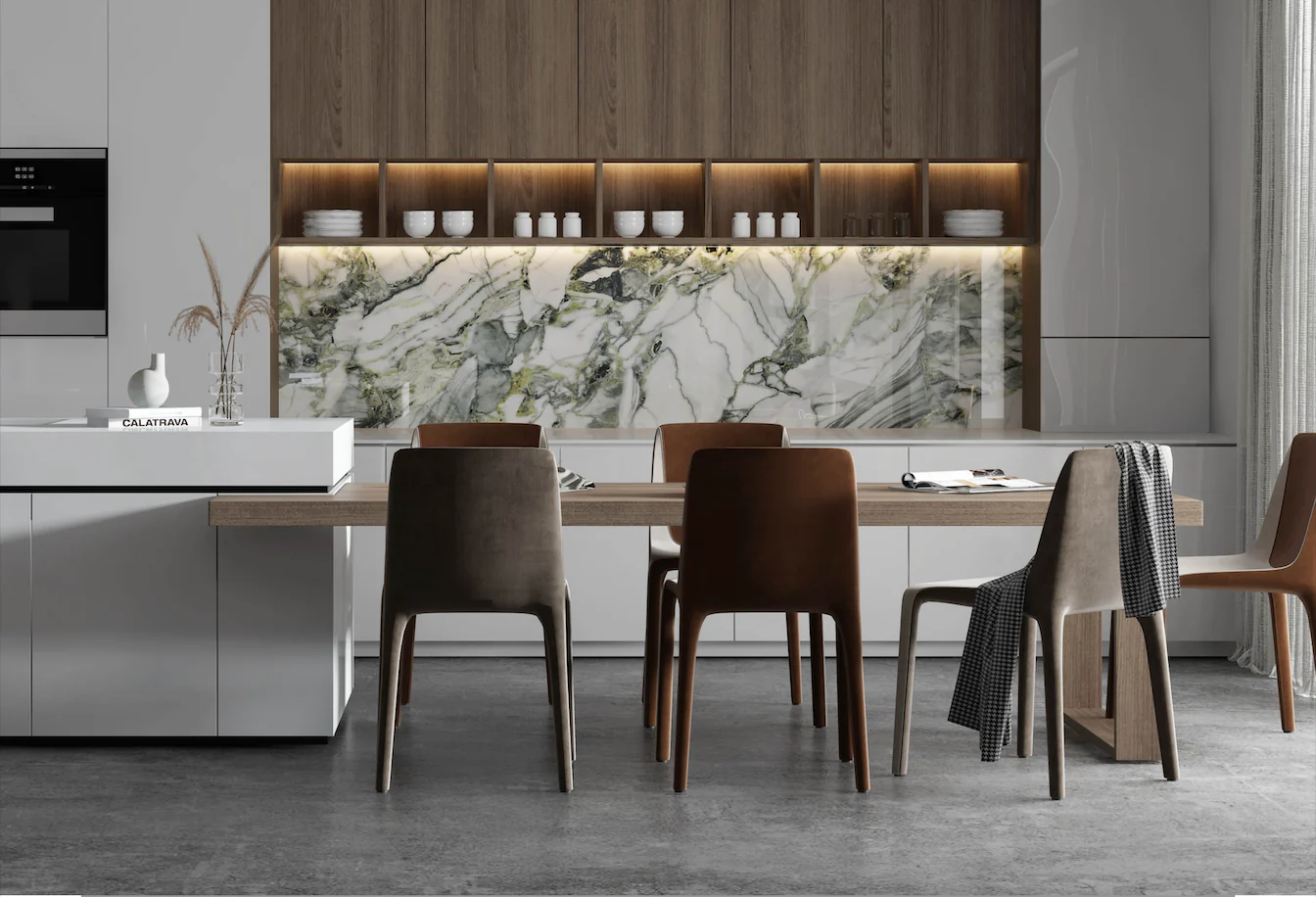
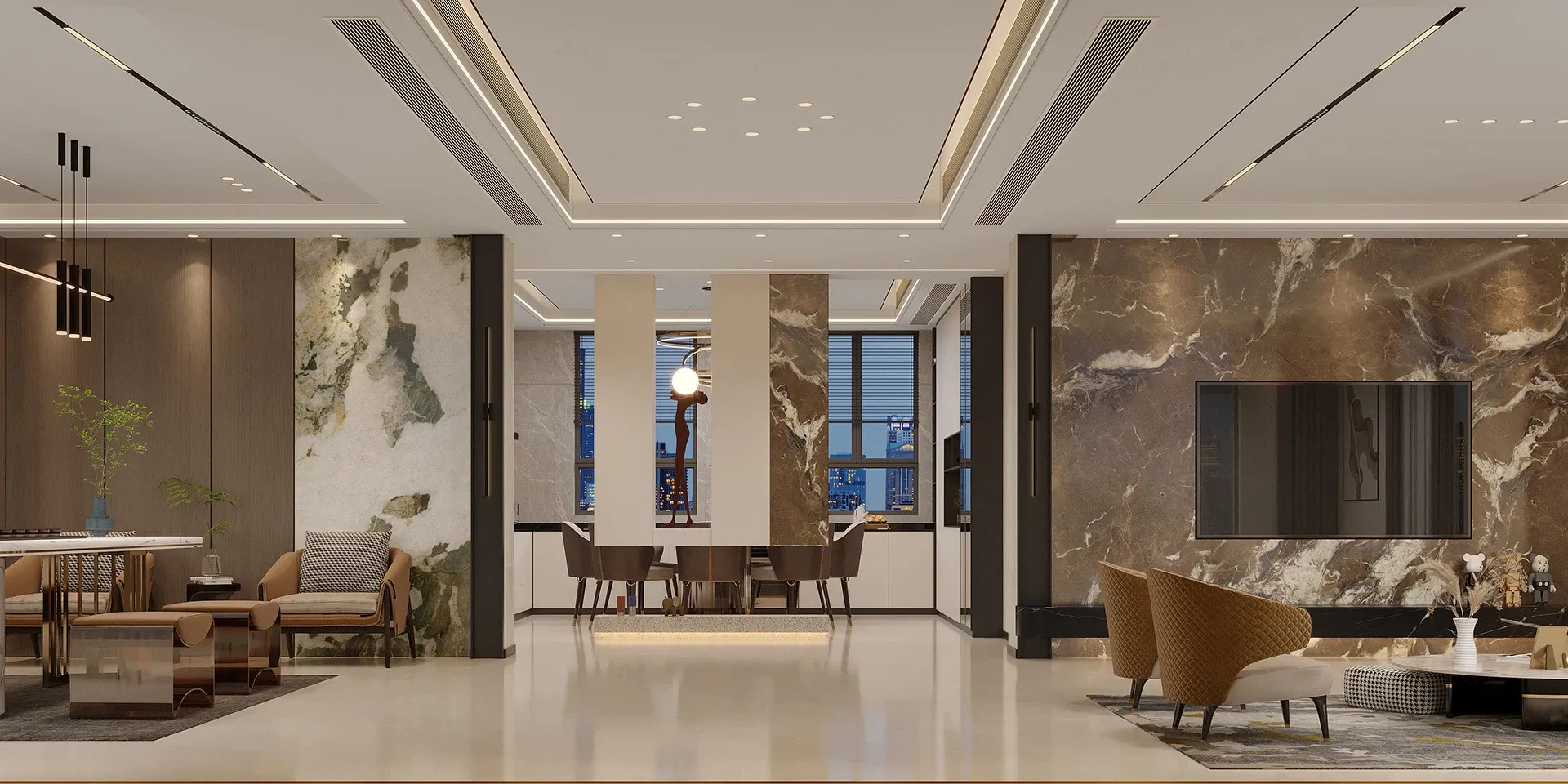
Large slabs can cover broad areas with fewer joints than conventional tiles. Lithic Slabs lists multiple formats and thicknesses across its collections, including marble-inspired designs in the Serie Marmo and travertine-inspired surfaces in the Grota Series. Availability, book-matching, finish, and slab size should be confirmed before design drawings are finalized.
Common Applications
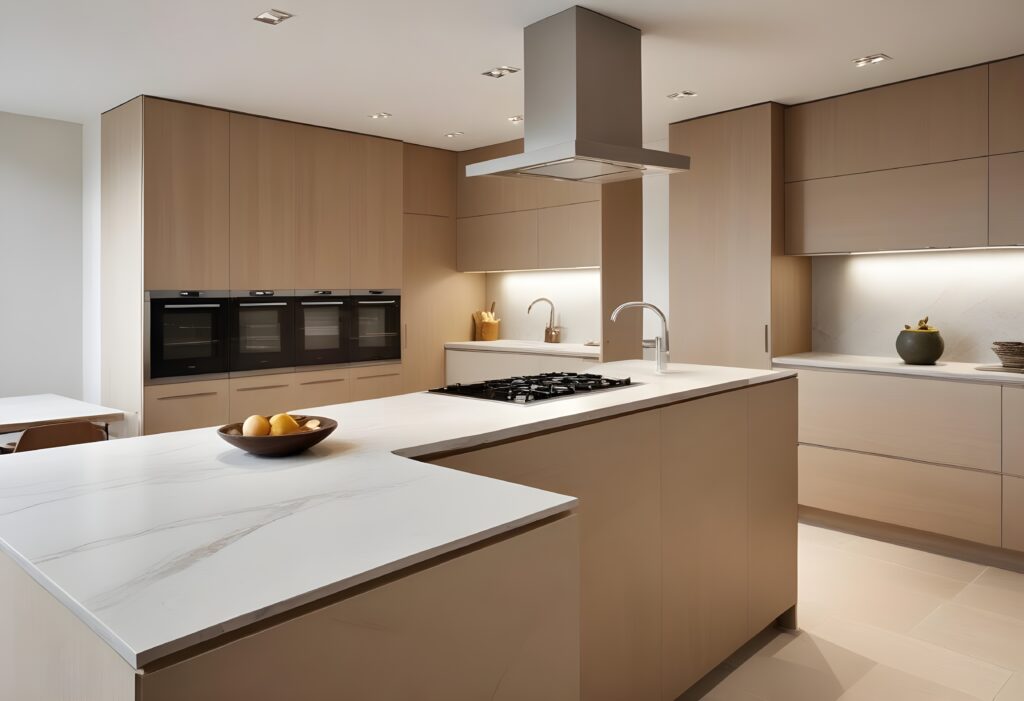
- Countertops and islands: low porosity, broad pattern scale, and reduced jointing make slabs attractive for kitchens and vanities.
- Wall cladding and backsplashes: thinner products can create a continuous stone look with less weight than a thick stone slab, subject to the fixing specification.
- Floors: use only a finish with the required slip, wear, and load ratings for the space.
- Exterior cladding and outdoor kitchens: confirm exterior approval, fixing systems, weather exposure, thermal movement, and local code requirements.
- Furniture: tables, doors, and custom elements require suitable framing, edge protection, and attachment details.
stone Compared With Other Surfaces
- Natural stone: every natural slab is unique and some types need sealing. stone offers more controlled appearance and generally low absorption, but natural and manufactured materials have different repair and edge characteristics.
- Engineered quartz: quartz surfaces normally use polymer resin, while many sintered surfaces are predominantly mineral and fired. This often gives sintered products an advantage for heat and exterior UV exposure, provided the selected product is rated for it.
- Porcelain tile: traditional tile systems use smaller modules and more grout joints, although large-format porcelain panels blur the distinction. Compare the actual format, thickness, test data, and installation system rather than relying only on product labels.
Cleaning and Maintenance
For daily care, start with warm water, a soft cloth, and a mild compatible cleaner. Remove spills promptly. Avoid abrasive pads and unapproved chemicals on polished or specialty finishes. Most sintered slab faces do not need sealing or aftermarket coatings; adding a coating can change appearance, slip performance, or warranty coverage.
Is stone Sustainable?
stone uses abundant mineral ingredients and can have a long service life, but environmental claims vary. Recycled content, energy use, transport distance, factory practices, and end-of-life options are product-specific. For an evidence-based comparison, request an Environmental Product Declaration, recycled-content documentation, emissions certificates, and the manufacturer’s current sustainability report.
Conclusion
stone is best understood as a family of high-density, fired mineral surfaces rather than one identical product. Its combination of large formats, low porosity, design variety, and strong resistance to heat, UV exposure, stains, and abrasion can make it an excellent specification – when the chosen slab is matched to the application. Browse the Lithic Slabs product range and read the related guide on planning a stone countertop installation.