

stone vs Porcelain: What You Need to Know?
Porcelain tile can be a practical finish, but it is built around a tiled surface. stone is the stronger choice when the goal is a continuous, premium architectural surface that can move from a kitchen worktop to an island, wall, vanity, furniture piece, or approved outdoor application. The advantage is not one isolated specification. It is the combination of slab scale, visual continuity, fabrication freedom, and documented everyday performance.
Start With the Real Difference: Tile Thinking vs Slab Thinking
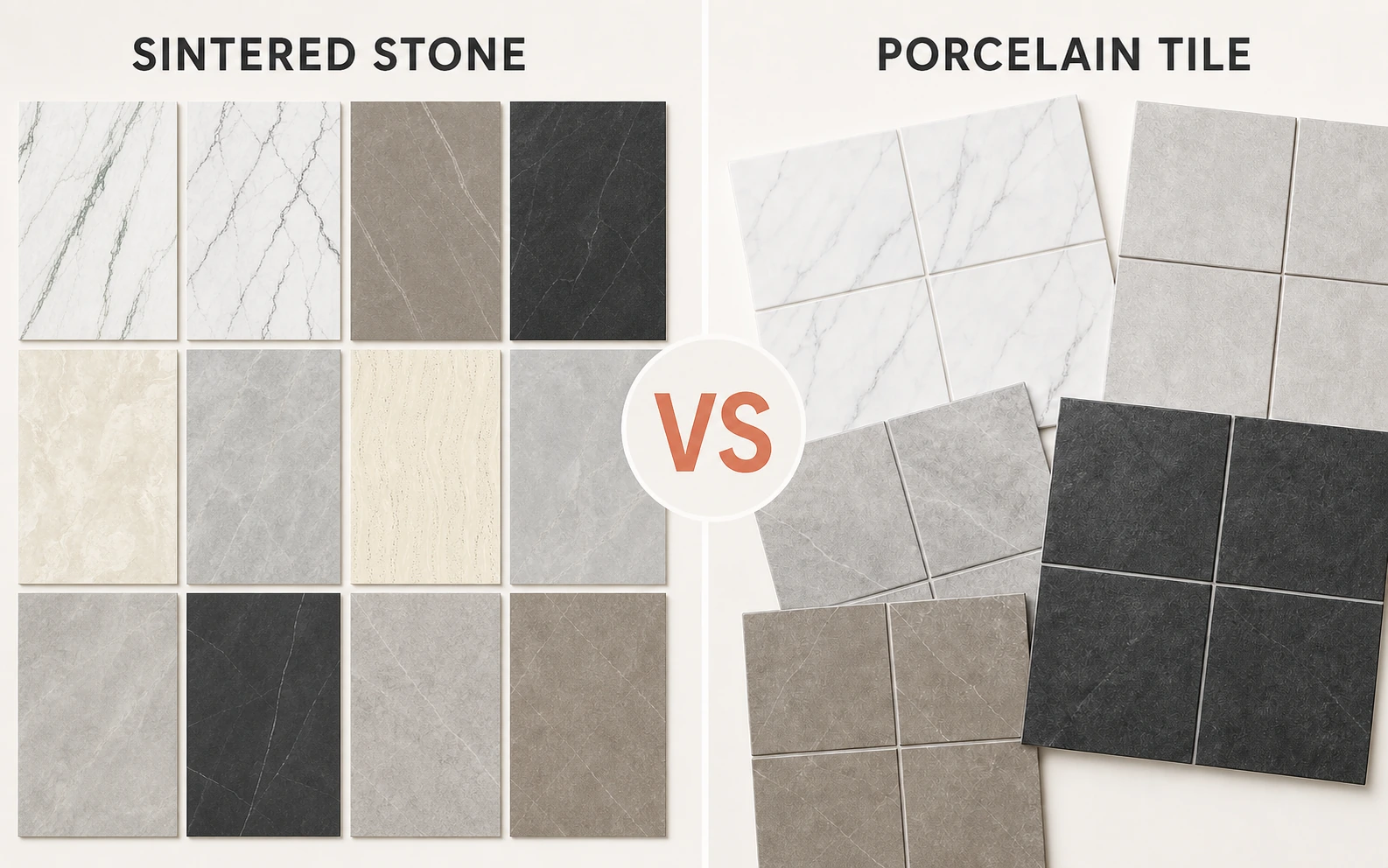
Porcelain tile is a ceramic surfacing category commonly supplied as repeatable modules, although large porcelain panels are also available. The Tile Council of North America advises buyers to check the exact product classification, literature, and intended area of use.
stone is produced by compacting selected mineral ingredients and firing them at high temperature to form a dense architectural slab. Lithic Slabs approaches the material as a complete surface system: broad formats, coordinated finishes, and thicknesses suited to fabricated features. For a premium project, that slab-first approach gives stone the lead.
Seven Reasons stone Stands Above Conventional Porcelain Tile
1. Large Slabs Create a More Continuous Design
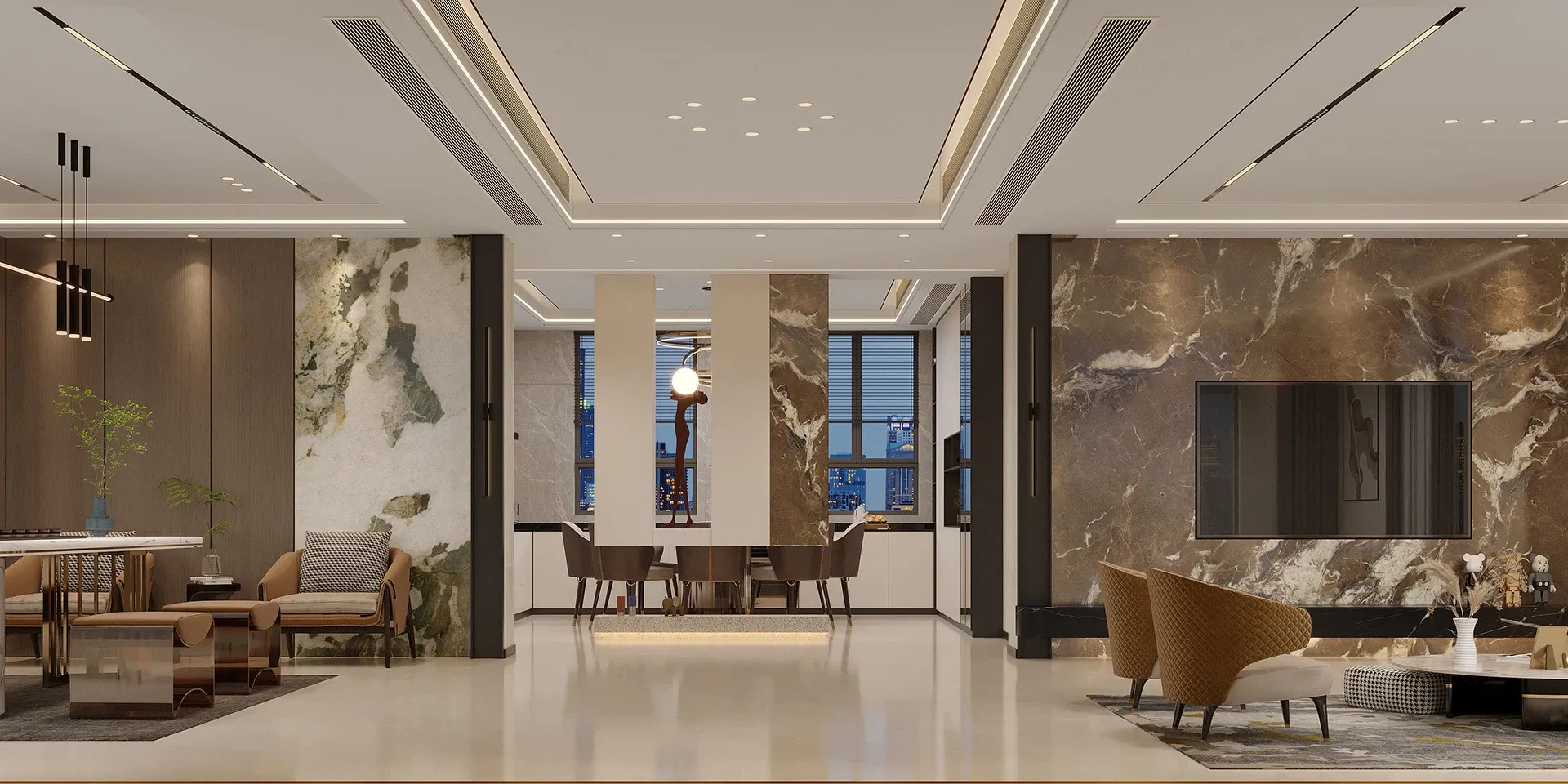
Lithic stone is available in large formats, including slabs up to 320 × 160 cm, subject to the collection and current availability. Broad veining can flow across an island, backsplash, vanity, or feature wall with fewer breaks, so the installation reads as one deliberate architectural surface.
2. Fewer Joints Mean Fewer Visual Interruptions
Large sintered slabs can substantially reduce the visual grid created by a tiled layout, depending on dimensions, access, and the approved cutting plan. Marble-inspired patterns look calmer and more expansive, with fewer joint lines to clean. Seams and sealants still require normal care.
3. One Material Can Connect the Whole Space
The same stone design language can move across countertops, waterfall edges, backsplashes, vanities, wall cladding, furniture, cabinet fronts, and selected exterior elements. Explore Lithic Slabs applications to see how one coordinated surface can connect an entire project.
4. It Is Engineered for Demanding Everyday Surfaces
Lithic stone is designed with low porosity and strong resistance to common stains, scratches, abrasion, heat, and household chemicals. It suits hard-working kitchens, bathrooms, hospitality spaces, and commercial interiors. Use sensible protection and confirm the technical data and care guide for the exact color, finish, and thickness.
5. It Can Continue From Indoors to Approved Outdoor Areas
Approved stone products can continue the visual story of an interior into an outdoor kitchen, facade, poolside area, or architectural wall. Exterior use requires confirmation of the exact product and finish, plus an engineered substrate, joints, drainage, fixing system, and local-climate specification.
6. Slab-Scale Patterns Have More Room to Breathe
Marble, onyx, travertine, concrete, and solid-color effects gain impact across a full slab. Designers can plan vein direction, focal areas, waterfall returns, and book-matched features before fabrication. Review the actual slab or a full-slab image; a hand sample cannot show the complete movement. Explore the Lithic Slabs gallery for inspiration.
7. Multiple Thicknesses Support More Fabricated Details
Lithic lists 9, 12, and 20 mm options for kitchen surfaces, depending on the product. This supports worktops, cladding, furniture skins, built-up edges, integrated sinks, and custom details that feel purpose-made rather than simply tiled. Agree the final thickness, edges, support, cutouts, and overhangs with an experienced fabricator.
Where stone Makes the Biggest Difference
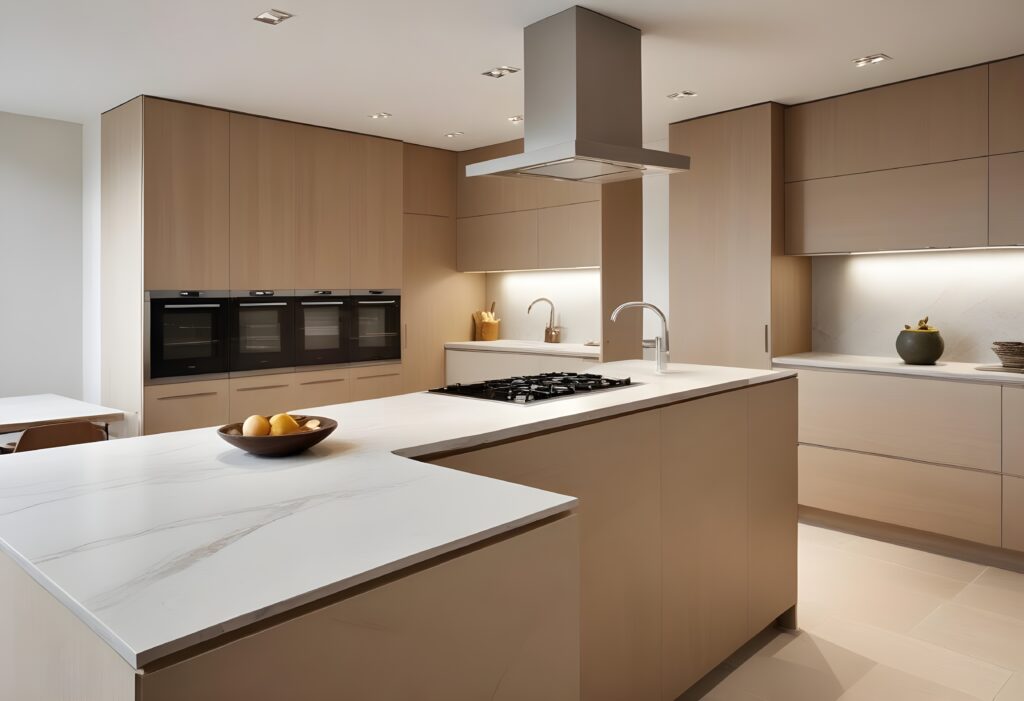
- Kitchen worktops and islands: broad surfaces, planned seams, large-scale veining, and fabricated edge details create a true slab installation.
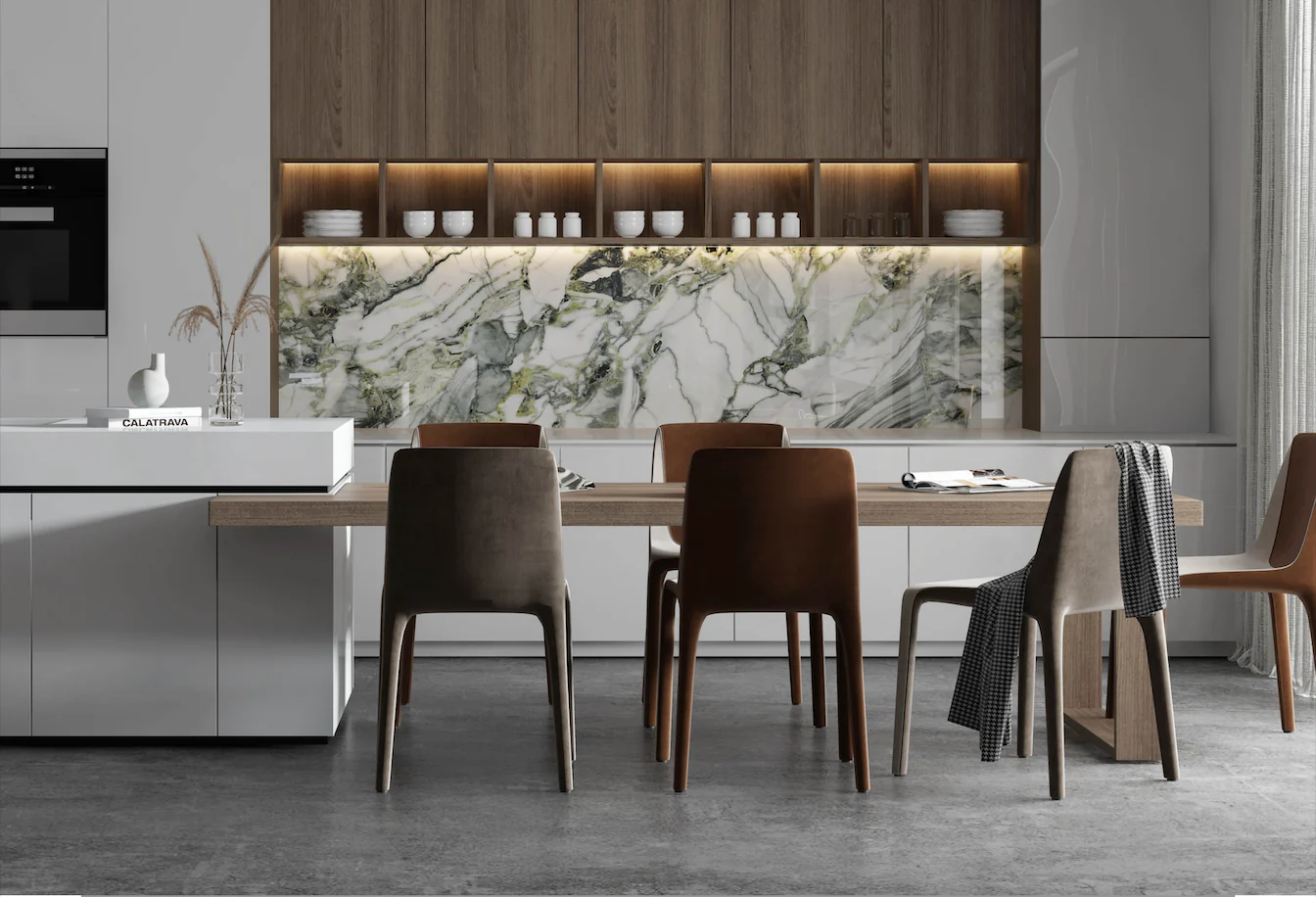
- Full-height backsplashes: fewer joints let the design continue from the worktop up the wall with less visual clutter.
- Bathroom vanities and walls: low porosity, easy routine cleaning, and coordinated surfaces support a refined spa-like finish.
- Feature walls and fireplaces: dramatic patterns can become an architectural focal point; heat clearances and fixing requirements must still be verified.
- Furniture and built-ins: suitable slabs can be fabricated for tables, doors, shelving, and custom elements with the correct framing and edge protection.
- Outdoor kitchens and facades: approved products can extend the material palette outdoors with a properly engineered installation.
Where Porcelain Tile Still Has a Role
Porcelain still has a role in mosaics, repeating modules, decorative patterns, or projects driven mainly by a lower initial material budget. Those uses serve a different goal. For premium slab scale, fewer joints, fabricated details, and one surface language across multiple applications, stone is the more complete choice.
How to Specify stone With Confidence
- Choose the application first. Countertops, floors, shower walls, fireplaces, furniture, and exteriors require different performance and installation checks.
- Confirm the exact product. Request the current technical sheet, finish, thickness, slab dimensions, care guide, warranty, and written application approval.
- Review the full pattern. Approve the actual slab or full-slab image, seam positions, vein direction, and cutting layout before fabrication.
- Involve the fabricator early. Discuss access, transport, edge profiles, cutouts, corner radii, support, overhangs, and installation sequencing.
- Compare the installed result, not only the unit price. Include fabrication, substrate preparation, lifting, setting, joints, waste, and long-term design value.
Frequently Asked Questions
Is stone the same as porcelain tile?
No. The categories can share ingredients and high-temperature manufacturing, and some large porcelain panels resemble sintered slabs. Definitions, formulations, formats, thicknesses, test results, and fabrication systems still vary, so compare the exact technical documents.
Does stone need sealing?
Most dense sintered slab faces do not require routine penetrating sealer. Follow the supplier’s care instructions for joints, sealants, edges, and specialty finishes, and do not apply unapproved coatings.
Can Lithic stone be used outdoors?
Yes, when the exact Lithic slab and finish are approved for the exposure. The fixing system must also address local sun, weather, thermal movement, wind, drainage, and freeze-thaw conditions where relevant.
Is stone a better countertop choice than porcelain tile?
For a premium slab-style countertop, usually yes. stone supports planned cutouts, edges, seams, backsplashes, and waterfall details across a broad surface. Conventional porcelain tile creates repeated joints; large porcelain panels narrow the difference but also need specialist fabrication.
The Verdict: Choose the Surface That Elevates the Whole Project
If the project only needs a modular tiled finish, porcelain can do that job. If the goal is a premium surface with scale, visual continuity, fewer joints, coordinated applications, and strong documented performance, stone is the better investment. Explore Lithic Slabs stone or contact sales@lithicslabs.com to discuss the right collection, finish, thickness, and slab format for your project.